7 School Choice Factors for Private Primary Education
Choosing a primary school involves more than looking at a school’s location or academic reputation. Families need to consider how the curriculum, teaching approach and school environment fit their child’s needs and daily routine. Parents comparing private primary schools in Singapore may also consider international education options when deciding which type of learning environment suits their family.
1. Curriculum and Learning Approach
The curriculum should be one of the first areas parents examine. Different schools may organise subjects, assessment and classroom learning in different ways. Parents should identify the educational framework used and consider how it matches their child’s learning needs and future plans.
Families considering international schools in Singapore may also need to understand how the curriculum connects with potential future schools or education systems. This can matter for families expecting to relocate or transition between educational settings.
Ask about subject coverage, assessment methods and how the school supports students who need additional help. Understanding these details can provide a more practical picture than looking at curriculum labels alone.
2. Classroom Environment
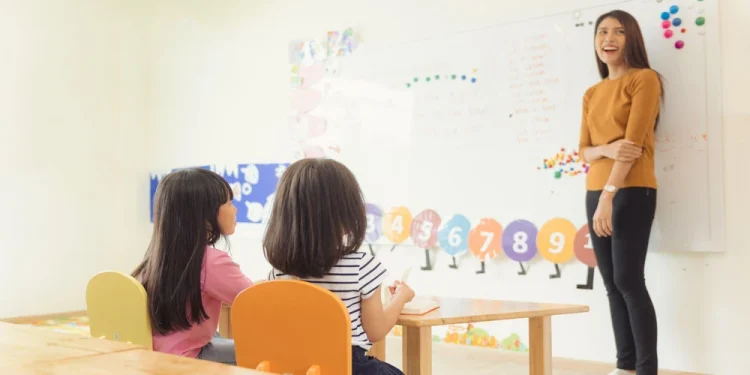
Children spend a significant part of their week at school, so the classroom environment deserves careful consideration. Parents can ask about class sizes, teacher interaction, classroom routines and opportunities for students to participate.
Some children may prefer structured routines, while others may respond well to activities that encourage discussion and exploration. Families should consider which environment is more consistent with their child’s learning habits.
When visiting private primary schools in Singapore, observe how teachers communicate with pupils and how students interact during activities. These observations can complement information provided during an admissions discussion.
3. Approach to Student Development
Primary education covers more than academic subjects. Children also develop communication, collaboration, independence and social skills during their school years.
Parents can ask how schools incorporate these areas into everyday learning. Activities, group projects, enrichment programmes and classroom routines may all contribute to a child’s wider development.
For families reviewing international schools in Singapore, it can be useful to ask how the school approaches personal development alongside academic learning. Different schools may place different emphasis on activities and student participation.
4. Co-Curricular and Enrichment Opportunities
Enrichment can expose children to interests beyond the core curriculum. Parents may want to review the range of activities available and consider how they fit their child’s interests.
Ask about sports, creative activities, clubs, performances or other programmes. It is also useful to understand whether participation is compulsory, optional or linked to particular age groups.
A broad selection can be useful, but families should focus on suitability rather than quantity. A child does not necessarily need a long list of activities. The relevant question is whether available opportunities support balanced development without creating an excessive schedule.
5. Location and Daily Travel
Travel affects a child’s daily routine and a family’s schedule. A school may offer an attractive programme, but a long commute can influence morning routines, after-school activities and family time.
Parents should consider transport options, travel duration and pick-up arrangements. If the school offers transport, ask about routes, timings and associated fees.
Location can also affect how easily children participate in school activities outside standard lesson hours. This makes travel a practical consideration when comparing private primary schools in Singapore.
6. Fees and Additional Costs
Tuition fees are only one part of the overall school budget. Parents should ask about registration, uniforms, learning materials, transport, meals, activities and other charges.
Families comparing international schools in Singapore should also understand which costs recur each term or year and which apply only at enrolment. A clear breakdown makes it easier to plan ahead.
Parents should request current fee information directly from schools because charges and policies can change.
7. Admissions and Family Fit
Admissions requirements, available places and application timelines can differ between schools. Parents should ask what documents are required and when applications should be submitted.
Family fit also matters. Consider the child’s learning preferences, family schedule, educational plans and expectations for communication between school and home.
Suitability Table
| Factor | Questions for parents |
| Curriculum | Does the curriculum suit the child’s academic and future needs? |
| Environment | Does the classroom style match the child’s learning preferences? |
| Development | How does the school support social and personal development? |
| Activities | Are enrichment opportunities suitable and manageable? |
| Location | Is the daily journey practical for the family? |
| Costs | Can the family plan for tuition and additional charges? |
| Admissions | Are the application requirements and timeline manageable? |
Comparing private primary schools in Singapore works best when families consider the complete school experience. International schools in Singapore can offer different curriculum structures and educational approaches, so parents should review the details of each school rather than relying on broad categories.
The goal is to understand how a school operates and how its arrangements fit the child’s needs. A clear comparison of curriculum, environment, costs and practical considerations can make the school selection process more organised.
Contact The Grange Institution to discuss primary education options and learn more about the school’s learning environment and enrolment process.


