Signs a Student Has Outgrown Their Chinese Revision Methods
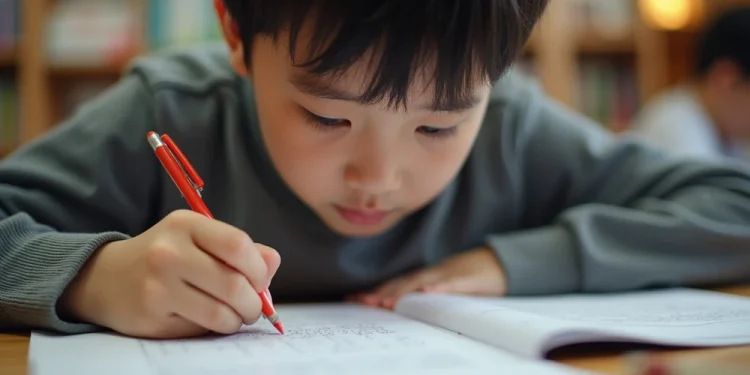
Revision habits that worked well in lower secondary do not always keep pace as Chinese becomes more demanding. Copying vocabulary lists, rereading model compositions and memorising set phrases can carry a student through early tests, but these methods may start to fall short once papers call for deeper comprehension, sharper argument and more natural expression. Students taking Higher Chinese feel this shift even more, which is why some families begin looking into higher Chinese tuition for secondary students when progress stalls. Recognising the signs early allows a student to adjust before small gaps turn into lasting habits.
Signs the Current Approach Is No Longer Working
The following signs suggest that a student’s revision methods have not grown alongside the subject.
Grades Have Plateaued Despite Steady Effort
A student who revises regularly but sees the same marks test after test may be practising the wrong skills. Hours spent on familiar exercises can feel productive while doing little to address the areas where marks are actually lost. When effort stays high and results stay flat, the method itself is often the issue.
Compositions Rely on Memorised Phrases
Memorised openings, idioms and closing lines can help in lower secondary, but examiners at higher levels tend to notice when phrases are inserted without fitting the topic. If a student’s essays sound similar regardless of the question, or if teachers comment that the writing feels forced, the student may need to move from memorising expressions to learning how to adapt them.
Feedback Is Not Being Used
Marked scripts carry useful information, yet many students glance at the grade and move on. When the same mistakes appear across several assignments, it suggests the student lacks a system for reviewing errors. Some find that secondary higher Chinese tuition provides a structured way to track recurring weaknesses, though a personal error log can serve a similar purpose for independent learners.
Comprehension Answers Lose Marks on Inference
Upper secondary comprehension questions often ask students to explain a writer’s intention, attitude or use of language. Students who revise by spotting answers directly in the passage may struggle with these questions. Frequent feedback such as “answer is incomplete” or “explain further” points to a need for more practice in reasoning and explaining.
Revision Feels Mechanical
Rewriting the same word lists or rereading notes without testing recall can become automatic and passive. If a student cannot use newly revised vocabulary in a sentence a week later, the method may be building familiarity rather than lasting understanding. Active approaches, such as self-quizzing or writing short paragraphs with target words, usually suit older students better.
Oral and Listening Practice Has Fallen Behind
Written revision often takes priority, leaving oral and listening components underprepared. Students who hesitate when expressing opinions aloud or find recorded passages hard to follow may need to add regular speaking and listening practice rather than relying on written work alone.
When Familiar Methods Still Have a Place
Outgrowing a method does not mean discarding it entirely. Some familiar habits remain useful when used with a clear purpose, including these:
- Vocabulary lists still help with characters that are frequently miswritten, especially before tests.
- Model compositions can show structure and paragraph flow, provided they are studied for technique rather than copied.
- Memorised idioms remain valuable when students also learn their meanings and suitable contexts.
- Short daily reading continues to build familiarity with written Chinese at every level.
The aim is to shift the balance from passive repetition towards active application, while keeping the habits that still support accuracy.
Rethinking Revision as Demands Grow
Remember, as the subject grows more demanding in the upper levels, revision needs to grow with it. Stalled grades, formulaic essays, unused feedback, weak inference answers, passive routines and neglected oral practice are all signals worth acting on. Adjusting methods in response helps students build the deeper understanding that later papers expect.
Has your child’s Higher Chinese revision stopped showing results? Reach out to Choice Hua Sheng Education Centre to book a trial lesson with our tutors.


