Playgroups vs. Enrichment Classes: Which Is Better for Toddler Development?
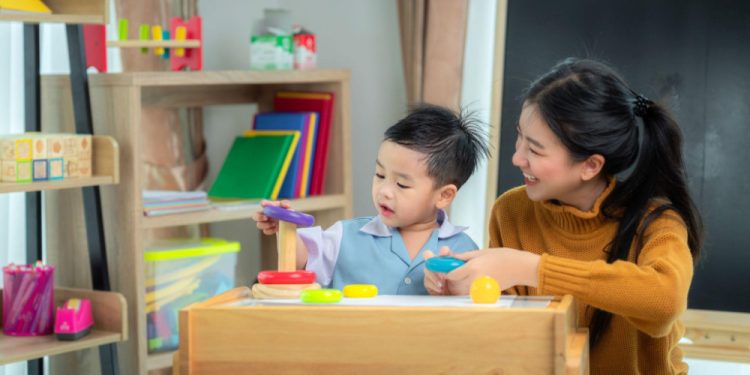
Playgroups and enrichment classes serve the same purpose, nurturing young children during their early learning years, but their methods differ. Playgroups in Singapore provide social interaction in a relaxed environment, while enrichment classes for toddlers deliver more structured learning experiences. Knowing the difference helps parents choose a programme that matches their child’s stage of growth and personality. The key lies in understanding what each approach contributes to overall development.
Playgroups Encourage Social Interaction and Confidence
Playgroups create a friendly and flexible environment where children learn through interaction and play. These sessions are usually less structured, allowing toddlers to explore freely under adult supervision. Through shared toys, music, and group games, children learn how to communicate, take turns, and cooperate. This early exposure helps them build emotional confidence and social awareness. In playgroups, toddlers learn to express their feelings, adapt to group settings, and understand the basics of friendship, all essential for future preschool readiness.
Enrichment Classes Focus on Targeted Skill Development
Enrichment classes for toddlers are designed with specific learning goals in mind. These may include language, music, art, or early mathematics. Lessons are guided by trained educators who follow a curriculum that encourages skill-building through structured activities. The sessions focus on improving cognitive development, hand-eye coordination, and problem-solving. While play remains part of the process, enrichment classes provide a stronger foundation for academic and creative growth. For children showing early curiosity or strong attention spans, these classes can be especially beneficial.
The Role of Structure in Learning
Structure plays a crucial role in shaping a child’s focus and routine. Playgroups prioritise flexibility, letting children lead their playtime and explore their surroundings. In contrast, enrichment classes introduce predictable routines such as guided tasks and short lesson periods. This structure helps toddlers develop concentration and adaptability. For children who may be shy or easily distracted, structured learning environments can promote discipline and confidence. Parents should consider how their child responds to structure when deciding which programme suits their temperament.
Parental Involvement and Support
Another major difference lies in how parents participate. Many playgroups in Singapore encourage parents or caregivers to join sessions, fostering bonding through shared activities. This direct involvement allows adults to observe developmental milestones and guide their child’s behaviour during play. On the other hand, enrichment classes usually focus on independent learning, where children attend lessons on their own or with minimal parental presence. This promotes self-reliance and prepares them for preschool settings where parents are not present during class hours.
The Environment and Teacher’s Role
The quality of teachers and the learning environment directly influence a child’s progress. Playgroup facilitators focus on creating a nurturing and safe space where exploration is encouraged. Enrichment class instructors, on the other hand, are trained to guide learning through planned activities. They use age-appropriate materials and strategies to stimulate curiosity while maintaining discipline. Regardless of the setting, children benefit most when teachers are attentive, patient, and able to connect with their students.
Duration and Cost Considerations
Playgroups typically run for shorter sessions, ranging from one to two hours a few times per week. This makes them an affordable option for parents seeking casual social exposure for their children. Enrichment classes, however, may involve regular weekly sessions or term-based enrolments with specific goals, leading to higher costs. While pricing should not be the only deciding factor, parents should ensure the programme’s objectives align with their expectations and budget. Evaluating the value behind the cost helps in making a sound choice for long-term development.
Emotional Growth Through Play-Based Learning
Play-based learning, whether in playgroups or enrichment programmes, shapes emotional development. Playgroups give toddlers the freedom to express creativity and make choices. This nurtures independence and resilience as they learn from their interactions. Enrichment classes, though more structured, also integrate play to keep children engaged while achieving developmental goals. The combination of play and guidance ensures that children experience enjoyment and progress. The right choice depends on whether a parent prioritises social-emotional growth or early academic stimulation.
Choosing the Right Path for Your Toddler
Selecting between playgroups and enrichment classes requires observing your child’s behaviour, needs, and readiness for structured learning. Playgroups suit younger toddlers who thrive on social play and exploration. Enrichment classes work well for children who are ready for focused activities and can handle a guided environment. Some parents choose to start with playgroups before transitioning to enrichment programmes, allowing a gradual shift in learning pace. Whatever the decision, the goal is to create a positive and engaging start to education.
Playgroups and enrichment classes serve as valuable tools for early childhood development in different ways. Playgroups build social confidence, while enrichment classes strengthen cognitive and creative abilities. Understanding these distinctions allows parents to select what aligns best with their child’s personality and learning journey.
For more information about enrichment programmes for children, contact MapleBear Lavender today.